
English ![]()

T: +86-15903202172
E: sales@xs-foundry.com
E: sales@xs-foundry.com
Linzhang Jian'an West Road 569, Handan City, Hebei Province
Views: 0 Author: Site Editor Publish Time: 2026-03-19 Origin: Site
Effective urban drainage depends on one simple principle: rainwater must be able to reach the drain quickly before debris blocks the opening. When leaves, trash, and sediment accumulate on the surface, even a well-designed drainage system can fail to perform properly. A properly designed water grate allows stormwater to flow into underground drainage channels while preventing larger objects from entering the pipe system. However, blockage often occurs not because of poor engineering underground, but because debris collects around the grate on the surface. Understanding how debris reaches the drain and how to stop it early can help municipalities, contractors, and property managers maintain reliable drainage systems and reduce flooding risks in urban environments.
Drainage problems often begin at the surface rather than inside the pipe system. Several everyday factors contribute to blocked storm drains.
The most common cause of blockage is organic debris such as fallen leaves, small branches, and landscaping waste. These materials accumulate naturally along sidewalks and streets. When rain begins, flowing water carries them toward the nearest storm water grate.
As debris gathers around the openings of the grate, it begins to restrict water flow. Even a small pile of leaves can significantly reduce drainage efficiency.
Rainwater not only moves leaves and trash but also transports fine particles of soil and sand. These sediments can settle between the slots of a grate or accumulate around the edges of the frame.
Over time, this sediment layer can harden and narrow the openings where water enters the drain system.
Improper maintenance practices often worsen drainage problems. When street cleaning, landscaping, or construction debris is left on the pavement, it eventually washes toward drainage points. If this material accumulates near the grate, it can quickly form a barrier that blocks incoming water.
One of the most effective ways to prevent blockage is to stop debris before it reaches the drainage system.
During routine cleaning, workers sometimes push leaves and dust toward the nearest drain. Although this may seem convenient, it actually increases the risk of clogging.
Debris pushed into a storm drain often becomes trapped inside the grate openings or within the catch basin below.
Areas with heavy landscaping often produce large amounts of organic debris. Mulch, grass clippings, and plant waste can easily wash toward storm drains during rain.
Maintaining clean edges around landscaped areas and removing loose debris helps reduce the amount of material that reaches the grate.
Drainage systems work best when surrounding surfaces are clean and well maintained. Regular sweeping and debris removal prevent materials from accumulating near drainage points.
By addressing debris at the source, cities and property managers can reduce the likelihood of storm drain blockage.
Design also plays an important role in preventing debris accumulation.
The pattern of openings in a grate determines how easily debris can collect on its surface. Narrow slots may block larger leaves but allow water to pass through efficiently. Wider openings may allow more debris to enter the drainage system.
Properly engineered slot patterns balance these factors to ensure effective drainage.
An effective grate must allow water to enter quickly during heavy rain. At the same time, it should prevent large debris from entering the drainage pipe where it could cause deeper blockages.
Designers must balance these two requirements carefully when selecting the grate pattern.
Material strength also affects drainage performance. Cast iron grates maintain their shape even under heavy traffic loads, ensuring that the openings remain properly aligned.
Handan Xiangsheng Cast Co., Ltd. produces durable cast drainage products designed for long-term performance in demanding outdoor environments. High-strength casting processes ensure that the grate structure remains stable even after years of exposure to traffic and weather.
Some locations naturally accumulate more debris than others. In these areas, additional protection may help maintain effective drainage.
Certain drainage systems use removable baskets beneath the grate to catch debris before it enters the pipe network. These baskets can be cleaned periodically to prevent buildup.
Surface screens may also help block larger materials from reaching the grate openings.
Construction sites often produce large amounts of loose sediment. Temporary inlet protection systems can prevent soil and debris from entering the stormwater system during building activities.
Once construction is complete, these temporary barriers can be removed.
Any debris protection system must allow easy maintenance access. If the protective device becomes too difficult to clean, it may eventually create the same blockage problem it was designed to prevent.
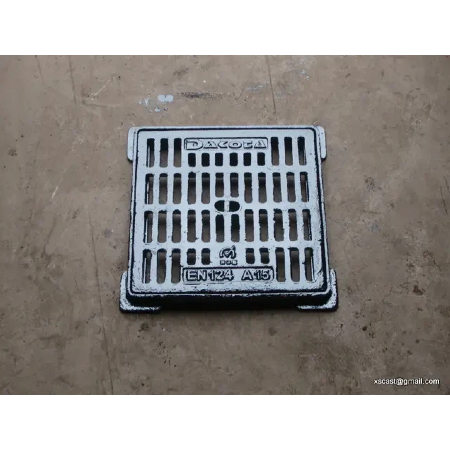
Even with proper design and surface management, regular inspection remains essential.
Autumn leaf fall and heavy rainstorms increase the likelihood of debris accumulation. During these periods, drainage systems should be inspected more frequently.
Routine inspections allow maintenance crews to remove debris before it blocks the grate.
Standing water near a drain is often the first visible sign of blockage. However, by the time water begins pooling, debris may already be restricting the grate openings.
Regular cleaning prevents this problem from developing.
Emergency flooding can damage roads, sidewalks, and nearby buildings. Preventive maintenance is far less expensive than repairing infrastructure after a drainage failure.
Some drainage problems originate from the surrounding environment rather than the grate itself.
If pavement slopes direct debris toward a single drain, that grate may experience frequent blockages. Adjusting the slope or redistributing runoff paths can help reduce the concentration of debris.
Landscaped areas located near storm drains should be designed to prevent loose soil from washing into the drainage system.
Proper edging, ground cover plants, or stabilized surfaces can help control sediment movement.
If the same drain repeatedly becomes blocked, the problem may involve the surrounding environment rather than the grate itself. Evaluating site conditions can reveal underlying issues that require correction.
Occasionally, drainage issues occur deeper within the system.
If the grate surface appears clear but water still drains slowly, the blockage may exist inside the pipe or catch basin below.
Accumulated sediment or debris inside the system may require professional cleaning equipment.
Large underground blockages often require specialized tools such as vacuum trucks or high-pressure water cleaning equipment.
Professional maintenance teams can remove these obstructions safely.
Stormwater infrastructure often involves heavy cast components and confined underground spaces. Maintenance work should always follow appropriate safety procedures.
Handan Xiangsheng Cast Co., Ltd. manufactures durable drainage grates using high-quality casting technology and strict quality control systems. Founded in 1999, the company operates a modern foundry facility covering more than 46,000 square meters and produces approximately 30,000 tons of cast products annually. Advanced machining workshops and comprehensive testing equipment ensure that each product meets the durability requirements of municipal infrastructure and urban drainage projects.
Debris Type | How It Reaches the Grate | Best Prevention Action | Maintenance Frequency |
Leaves | Wind or rainfall carries them to drains | Regular sweeping and seasonal cleaning | Weekly during autumn |
Grass clippings | Landscaping maintenance near sidewalks | Remove clippings immediately after mowing | After each mowing |
Soil and sediment | Erosion from nearby landscaping | Stabilize soil and install edging | Monthly inspection |
Trash and litter | Pedestrian activity or street waste | Install bins and increase cleaning frequency | Weekly |
Preventing blockage around a water grate requires attention to both surface conditions and drainage design. Most stormwater problems begin when debris accumulates near the grate opening, restricting the flow of rainwater into the drainage system. By controlling debris sources, selecting well-designed grates, and maintaining regular cleaning schedules, cities and property managers can significantly reduce the risk of flooding and drainage failure. Durable cast storm drain grates manufactured by Handan Xiangsheng Cast Co., Ltd. provide reliable long-term performance in urban drainage systems. With strong materials and precise casting technology, these grates support efficient water flow while resisting heavy traffic and environmental wear.
Contact Us
For product specifications, technical details, or customized drainage solutions, please contact Handan Xiangsheng Cast Co., Ltd. Our team provides durable cast infrastructure products designed for municipal drainage systems, commercial construction, and public works projects worldwide.
The most common causes are leaves, litter, grass clippings, and sediment accumulating on the surface of the grate.
Cleaning frequency depends on the surrounding environment, but regular inspections during rainy seasons and autumn leaf fall are recommended.
Yes. Well-designed grate openings allow water to enter quickly while preventing large debris from entering the drainage system.
Cast iron provides excellent durability, structural strength, and resistance to heavy traffic loads, making it ideal for urban drainage systems.


